
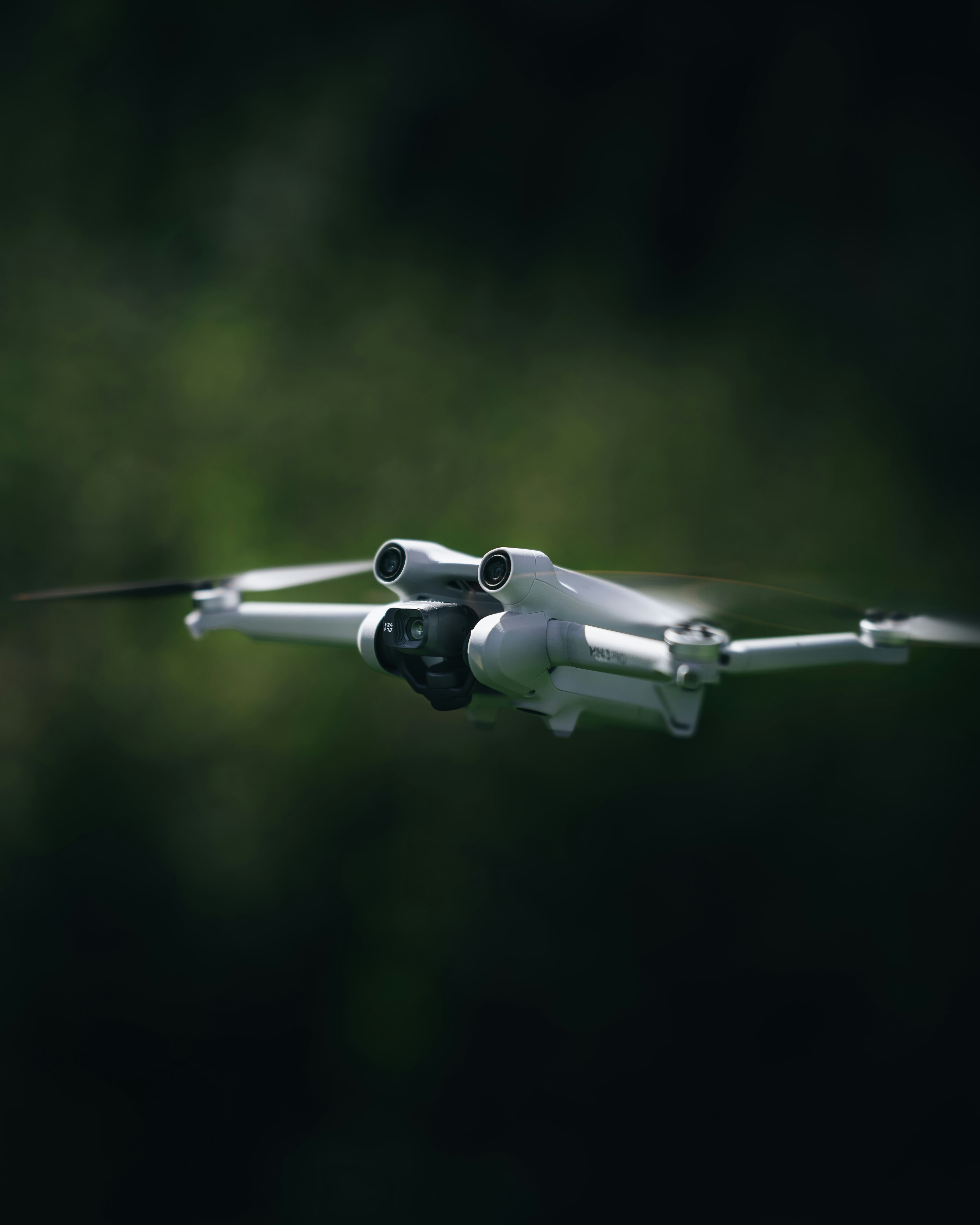
The Evolution of Drone Technology
The journey of drone technology began in the early 20th century, primarily for military applications. The first remotely piloted vehicles, known as “Radio Controlled Aircraft,” laid the foundational groundwork for what would become a sophisticated field. Early drones lacked autonomy and were largely controlled manually, which raised significant limitations in terms of operational efficiency and adaptability to complex environments.
Throughout the latter half of the century, developments in electronics and computing began to pave the way for increasingly capable drones. The introduction of Global Positioning System (GPS) technology allowed these unmanned aerial vehicles to navigate effectively, though they still required human operators for decision-making. This reliance on human control often resulted in missed opportunities for maximizing operational capacity, as drones could not respond or adapt to changing circumstances in real-time.
O principal ponto de virada na tecnologia de drones ocorreu com o advento da inteligência artificial (IA). Ao integrar sistemas de IA embarcados, os drones contemporâneos evoluíram de simples veículos controlados remotamente para plataformas inteligentes e autônomas capazes de tomar decisões em tempo real. Esses avanços superaram as principais limitações dos modelos anteriores, possibilitando funcionalidades mais complexas, como detecção de obstáculos, otimização de trajetória e planejamento de missão.
- Lightweight & Portable Design – Weighing just 151g [9] and C0 certified, this compact drone features full-coverage prope…
- Palm Takeoff & Landing [1], Gesture Control [2] – Enjoy easy palm takeoff and landing, plus intuitive gesture controls f…
- Smooth & Reliable Tracking – ActiveTrack [3] keeps your subject in focus, while Apple Watch lets you view live feed, che…
Moreover, advancements in machine learning algorithms allow drones to analyze vast amounts of data from their sensors, adapting to varied environmental conditions and completing complex tasks autonomously. This transition from traditional models to AI-driven systems signifies a monumental shift in drone capabilities. Consequently, the integration of AI is not merely an enhancement; it represents a fundamental change in how drones operate, make decisions, and interact with their surroundings, marking a new era of smart drones.
Understanding Onboard AI in Drones
Onboard artificial intelligence (AI) in drones refers to the integration of advanced algorithms and machine learning techniques within the drone’s internal systems, enabling autonomous operation and real-time decision-making. This sophisticated technology utilizes various sensors, such as cameras, LiDAR, and GPS, to collect data about the drone’s environment, facilitating a higher level of situational awareness and navigation capabilities.
One of the critical components of onboard AI is its ability to process data. The algorithms analyze the input from the sensors to recognize patterns, detect obstacles, and identify safe landing zones. For instance, computer vision algorithms assess visual data to determine the proximity of obstacles, enabling the drone to navigate complex environments efficiently. Through these processes, drones enhance their obstacle detection mechanisms, significantly minimizing the risk of collisions.
Moreover, onboard AI contributes significantly to navigation strategies. It uses machine learning techniques to improve flight trajectories by analyzing historical flight data and real-time conditions. By adjusting its path dynamically, the drone optimizes travel times and fuel efficiency, thus enhancing operational effectiveness. The incorporation of reinforcement learning allows the drone to learn from experiences, further refining its decision-making abilities during flight.
In addition to navigation and obstacle detection, AI also plays a crucial role in data processing and analysis. Drones equipped with onboard AI can perform tasks like image classification, real-time mapping, and surveying, providing invaluable insights in numerous fields such as agriculture, construction, and environmental monitoring. This capability ensures that operators receive precise and actionable data, facilitating informed decision-making processes.
Through these advancements, onboard AI demonstrates its importance in the evolution of smart drones, making them more autonomous and efficient while catering to diverse applications and industries.
Real-World Applications of Smart Drones Powered by AI
Smart drones, equipped with artificial intelligence, are emerging as transformative instruments across various industries. Their ability to process data in real time, perform complex computations, and adapt to dynamic environments has led to significant advancements in several sectors.
In agriculture, AI-driven drones are revolutionizing farming practices. These drones are utilized for crop monitoring, analyzing soil conditions, and determining optimal irrigation strategies. By employing multispectral imaging and AI algorithms, farmers can detect crop health issues early, leading to improved yields and reduced resource wastage. For instance, a specific case study in California highlighted how a vineyard integrated AI-powered drones to monitor grape growing conditions, resulting in a 20% increase in harvest efficiency.
In logistics, smart drones are redefining delivery systems. Major companies like Amazon and UPS are exploring the use of drones for parcel delivery, aimed at increasing speed while reducing operational costs. These drones employ AI for route optimization, ensuring timely arrivals while avoiding obstacles. For example, a pilot program in North Carolina demonstrated successful delivery of medical supplies via drone, showcasing potential for rapid response in emergency situations.
Surveillance and security operations have also benefited greatly from AI-enhanced drones. Law enforcement agencies utilize these drones for aerial surveillance, crowd monitoring, and disaster response. The integration of facial recognition technologies powered by AI helps in identifying suspects more efficiently than ever before, thereby enhancing community safety.
In the realm of filmmaking, filmmakers are now harnessing AI-driven drones to capture stunning aerial shots with precision. These drones can autonomously follow subjects and adapt their flight paths based on scene dynamics, providing filmmakers with new creative possibilities.
Overall, the applications of smart drones powered by AI are vast, ranging from agriculture to logistics, surveillance, and beyond. As technology continues to evolve, the potential for further integration into various fields is promising, suggesting that AI-enhanced drones will play a pivotal role in our future operations.
The Future of Drones: Trends and Challenges Ahead
The future of drone technology, particularly with the integration of onboard AI, promises to be transformative. As advancements continue, several key trends are beginning to emerge. One noteworthy trend is the increased implementation of deep learning algorithms, which enhance the ability of drones to analyze real-time data for improved decision-making. This capability will lead to more autonomous drones that can operate in complex environments, making tasks such as package delivery, search and rescue, and environmental monitoring more efficient.
Additionally, the miniaturization of components is paving the way for smarter drones that are both powerful and compact. With advancements in battery technology, flights will become longer and more reliable, enabling drones to cover greater distances without the need for frequent recharging. This evolution will also provide opportunities for multifunctional drones that combine various applications, ranging from imaging to logistics.

- DJI USA AUTHORIZED – INCLUDES FULL USA WARRANTY + EXCLUSIVE 2 Year Extended Warranty – Mini Size, Powerful Imaging – DJI…
- Under 249 g | Extended Battery Life | 38kph (Level 5) Wind Resistance | Beginner-Friendly, Easy-To-Fly, and Easy-To-Use …
- Amazing Results, Effortlessly – An innovative gimbal design allows for a large-angle camera tilt and True Vertical Shoot…
Nevertheless, the journey towards a fully autonomous drone future is not without challenges. Regulatory hurdles present a significant obstacle as governments grapple with establishing frameworks that ensure safe and responsible use of drones. These regulations will need to address issues related to airspace management, privacy concerns, and the potential risks associated with autonomous operation.
Public perception also plays a crucial role in the advancement of drone technology. Negative attitudes towards drones, often stemming from concerns about privacy invasion and safety, must be addressed through education and transparent communication. Finally, ethical considerations related to the use of AI in drones, including accountability in decision-making and the implications of surveillance applications, are vital in shaping the response to this technological evolution.
The future of drones, augmented by onboard AI, is undoubtedly filled with potential, but it requires a cautious and considered approach to navigate the complexities involved.



Leave a Reply